
First principles marketing: don’t let the platform become the strategy
AI. We might as well start there, because it’s pretty hard to have a conversation about marketing at the moment without it coming up.
I’m definitely not complaining. I use it, I’m fascinated by it and I’m constantly learning what it can do. Add increasingly clever CRM, automation, search and social platforms into the mix and there has probably never been a more interesting time to work in marketing. We can research faster, understand more, create more and connect things in ways that would have seemed fairly extraordinary not that long ago.
But having all of those clever answers at our fingertips does make it very tempting to skip over the question.
We can generate 50 campaign ideas before we’ve properly understood the audience, automate a customer journey before we’ve worked out whether anyone wants to go on it, or produce months of content without stopping to ask whether we’ve got anything particularly interesting to say.
This isn’t really an AI problem. We’ve been doing versions of it for years. “We need a social campaign.” “We need a new website.” “We need more emails.” Now it’s “we need to do something with AI”.
Maybe we do. But why?
What are we actually trying to change? What’s stopping someone from acting? Where are we losing their trust and, the question I probably come back to most often, why should anyone actually care?
That’s first-principles marketing to me. Not ignoring the platforms, because I love a platform. Not rejecting technology, because I’ll happily disappear down a new-tool rabbit hole. Just not letting the tool become the strategy.
Dan wrote recently about a similar tension from a content and search perspective: why writing for humans still matters even when AI is increasingly influencing what gets surfaced. I’m interested in the bit that comes before that. Before the content, channel or platform, have we actually worked out what problem we’re trying to solve?
Understanding people isn’t the fluffy bit
This matters particularly in health, climate, education and charities, where the subjects we’re communicating can be complicated, emotional and deeply personal. We might be asking someone to confront something about their health, change an established behaviour, give their money or time, or care about an issue that feels a long way from their everyday life.
Choosing the right channel matters, obviously, but it doesn’t solve any of that.
The Charity Commission’s 2026 research into public trust in charities is a useful reminder. While 57% of people reported high trust in charities, what sits behind that trust is very human. People want to know their money reaches the cause and that an organisation is making a genuine difference. Personal connection matters too, with friends and family the most common way people first heard about a charity they went on to support.
I love that last point because it messes with our nice, tidy marketing plans slightly.
People don’t arrive at a campaign as a blank audience waiting for us to influence them. They bring relationships, experiences, assumptions and existing levels of trust with them. They might see something on social, hear about it from a friend, visit a website three weeks later and finally act months after that.
The platform can help us reach somebody. It can’t manufacture the reason they care.
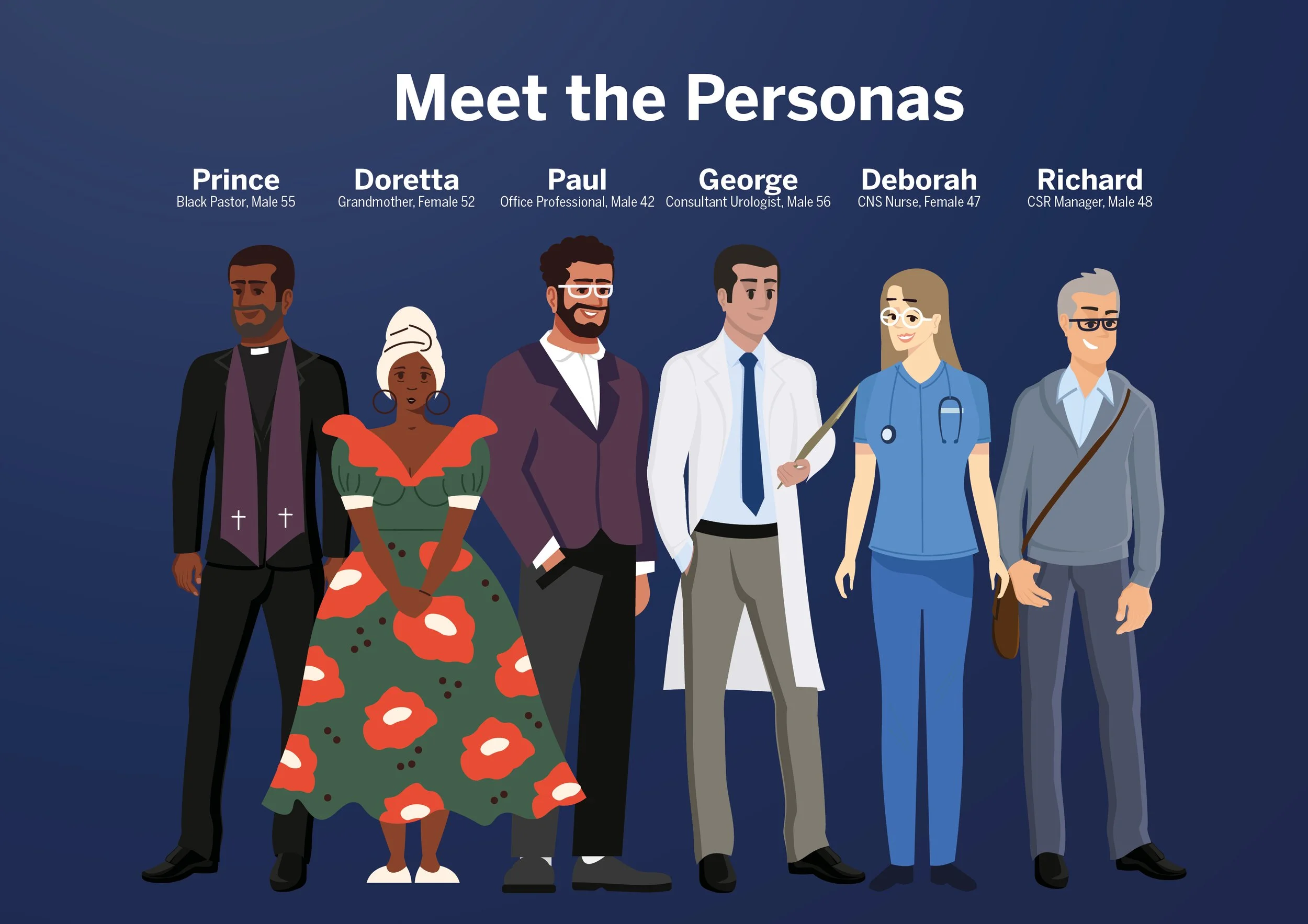
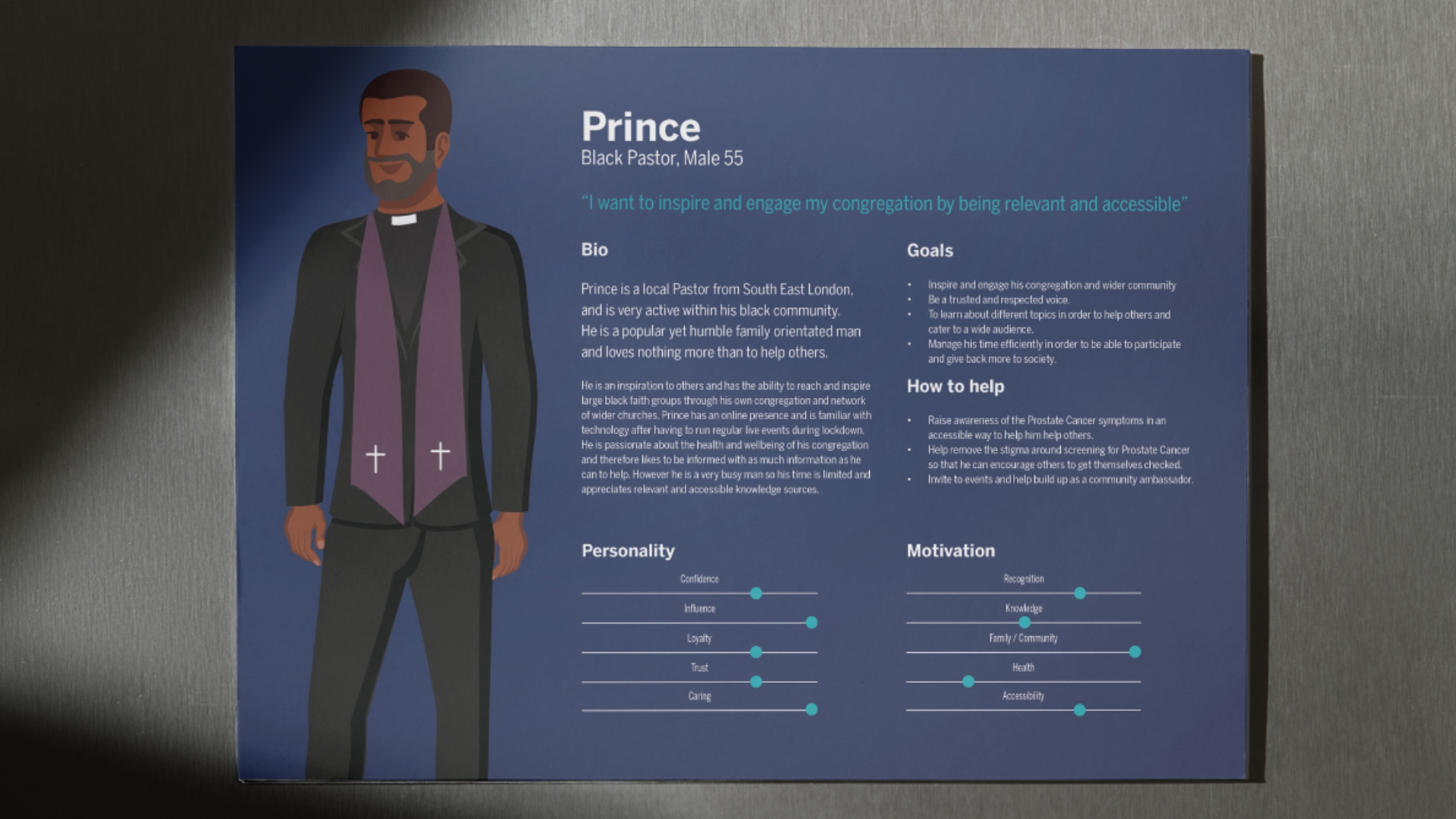
“People need to know this” isn’t a strategy
I’ve seen this repeatedly, particularly across client briefs. The challenge looks fairly straightforward on paper: we need more awareness, more engagement, more people to understand the issue or take action.
Except “people need to know this” and “people will care about this” are two very different things.
WHO’s work on effective communication backs this up. Its guidance starts with understanding what people already know and believe, identifying what might be preventing action, establishing personal relevance and thinking carefully about the trusted voices that can help overcome stigma or existing social norms.
That changes the creative question. Instead of starting with what do we need to tell people?, we can ask what might make this matter to them?
It sounds like a small shift, but it can take you somewhere completely different. A complicated message might need to become much simpler. Statistics might be important, but a human story is what gives them meaning. The organisation itself might not be the right voice. What looked like an awareness problem might actually be about trust or relevance.
And sometimes, slightly inconveniently, the answer isn’t another campaign at all.
That’s where audience insight stops being a research exercise and starts shaping the creative strategy.
Don’t rush the messy bit
This is still the part of marketing I love most.
You start with a brief, some research, probably too much information and several opinions about what needs to happen. You ask questions, pull at assumptions and sometimes discover that the problem everyone thought they were solving isn’t really the problem at all.
There might be six messages when only one really matters. The campaign might be fine, but the experience after somebody responds is where everything falls apart. Or you might spend ages pulling something apart only to arrive at an answer that feels ridiculously simple.
Annoying, but usually a good sign.
I think the speed of marketing now makes protecting this part of the process even more important. Faster isn’t always better if we’re simply getting to the wrong answer more efficiently.
And experience hasn’t made me want to rush it. If anything, I’m more comfortable now with not knowing the answer at the beginning. Curiosity is much more useful than pretending you already have it all worked out.
Then it all has to join up
Starting with the problem doesn’t mean the channel always comes last.
Sometimes where somebody experiences an idea can be part of what makes the idea work. A cinema audience, an event, somebody’s inbox or the moment they arrive on a particular webpage all give you different creative opportunities.
The distinction is whether we’ve chosen the channel because it helps solve the problem, or whether we’ve started with “we need a social campaign” and worked backwards to find something to put on it.
First-principles thinking isn’t about doing everything in a rigid order. It’s about being able to trace the decisions back to the problem you’re trying to solve.
And then making all of those decisions work together.
We’ve seen that through our ongoing work with NHS Charities Together. Over several years, that relationship has taken us across campaigns, social, film, digital content and the website, from moments of national attention around the NHS birthday to longer-running communications around staff wellbeing and support.
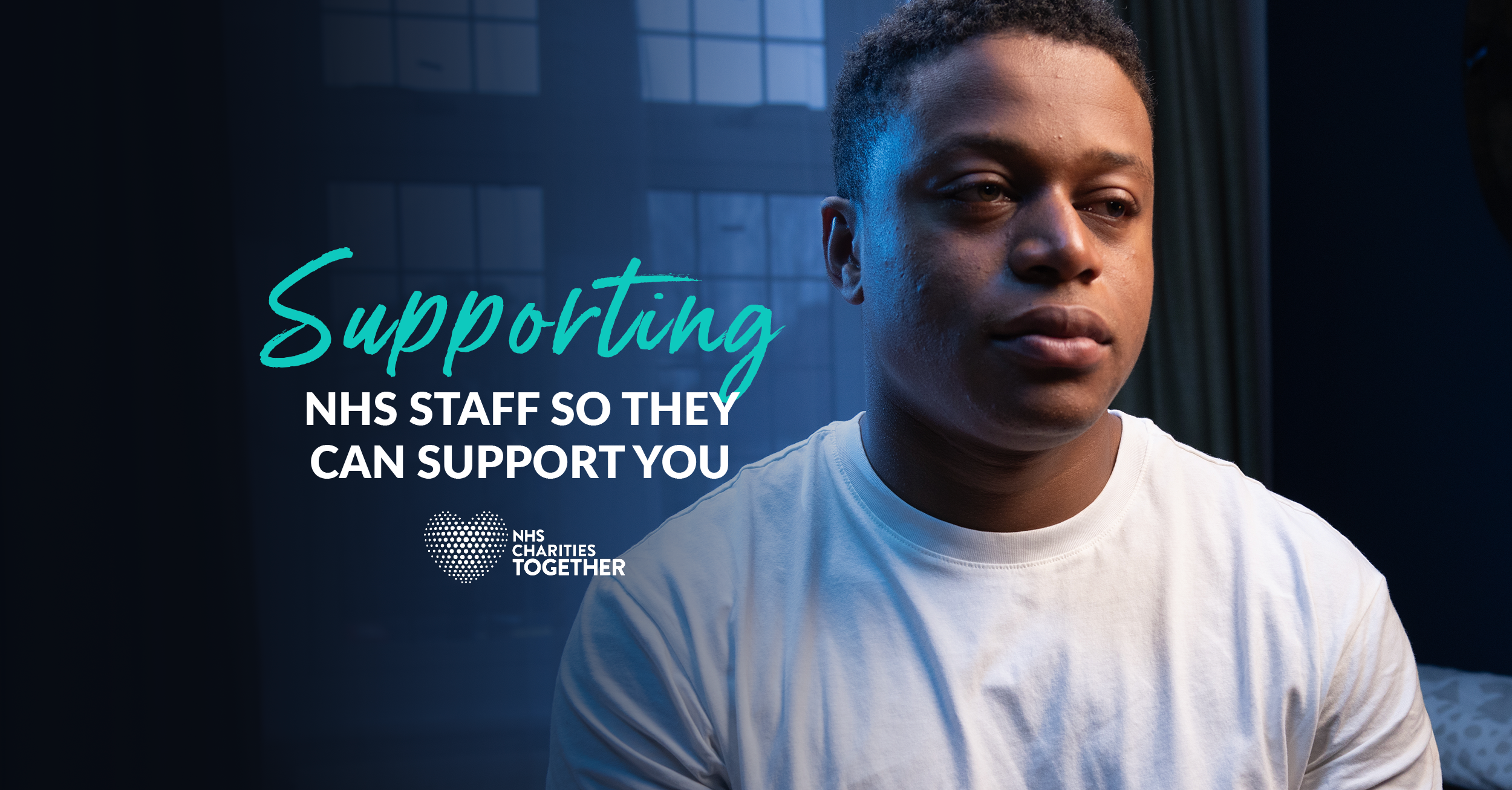
Those might be different outputs, but the audience doesn’t experience them as separate marketing disciplines.
The DMA’s analysis of 158 charity campaigns makes a similar case for looking at the bigger picture. Its research found that using multiple channels effectively can improve results, while retention activity had increased significantly as attracting new supporters became harder.
I don’t read that as “use more channels”. That would rather miss the point.
I read it as make the whole thing work together.
A campaign might get someone’s attention. The website answers a question. An email reminds them. Something somebody else says finally gives them enough confidence to act.
To them, it’s all just you.
That’s why the platforms matter. The data matters. The technology matters. The creative matters. But none of them should exist in their own little marketing box. They need to work together around something people actually care about.
More capability makes judgement more important
When everybody can generate more ideas, produce more content, analyse more information and automate more activity, simply being able to make more stuff isn’t much of an advantage.
Knowing what’s worth making becomes more important.
So does judgement, curiosity, empathy and understanding your audience. Knowing which of those 50 ideas has something in it, when the data is useful and when you need to actually talk to somebody. Knowing when something technically works but, for want of a more sophisticated marketing term, is just a bit shit.
None of that is new. AI has just made it more obvious.
The platforms will change, algorithms will continue doing whatever algorithms do, and there will be new tools I haven’t heard of yet that I’ll inevitably end up learning. Good. I’d be bored if marketing stood still.
But I hope we don’t get so distracted by all the things we can do that we stop asking the question we started with: what are we actually trying to change?
Understand the problem. Get properly curious about the people. Give the creative thinking enough room to take you somewhere you weren’t expecting.
Then bring in all the clever stuff and make it happen.
That, for me, is first-principles marketing.
